
Belgium may be compact, covering just 30,688 km2, but it has a remarkable presence on the world stage. Every year, many people move to Belgium in search of new opportunities, a better quality of life, or to reunite with family members already settled there.
Within Europe, Belgium holds significant economic and social weight. There is a lot to discover about this country – from its culture and multilingual society to its politics, history, and everyday lifestyle. As an expat, understanding these aspects will help you feel more at home more quickly.
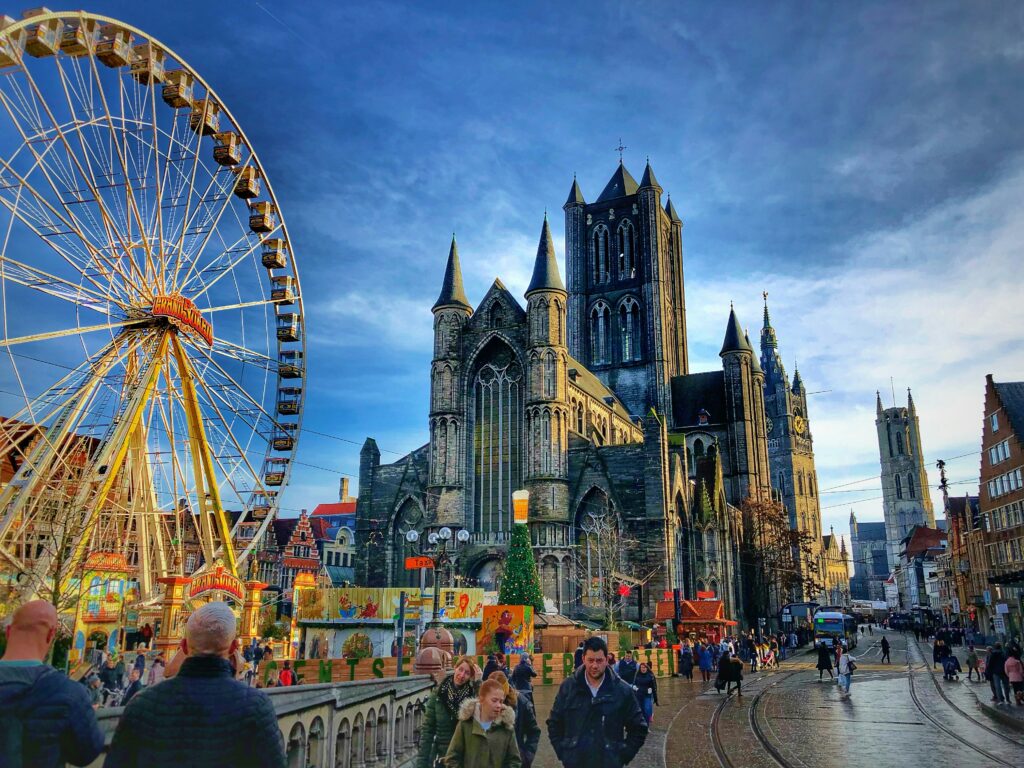
Preparing to relocate to Belgium can feel overwhelming. You will encounter a vibrant cultural mix, up to three main official languages, and many small but important differences in daily life. All of this can be exciting – but also confusing at first.
To support you in building your new life and truly settling in, this guide brings together key practical topics that are often overlooked but crucial for a smooth transition. They will not turn you into a local overnight, but they will ensure you are far from unprepared.
In the sections below, you will find concise explanations about:
- Credit cards
- Payday loans
- Insurance options
- Mobile subscriptions
- Electricity and heating
- Internet subscriptions
- Housing and rent
- Dating
Key Things to Know About Belgium
If you have already started researching life as an expat in Belgium, you will know that the country offers a great deal – both professionally and personally. Your journey is just beginning, and there is plenty to look forward to. Before diving into the practicalities, it helps to have a quick overview of the country itself.

The Kingdom of Belgium lies in Northwestern Europe. It is home to people from many different countries, creating a rich cultural mix. Major cities such as Brussels, Antwerp, Ghent, and Leuven attract large expat communities, and there is a good chance you will end up in or near one of these bustling urban centers.
Belgium is famous for its high-quality chocolate, historic castles, waffles, fries, and a unique beer culture. Once you arrive, sampling a variety of Belgian beers and regional specialties is almost a rite of passage.
However, life as an expatriate is not only about culinary discoveries. The first months can be financially and emotionally demanding. You may find yourself relying on credit cards, short-term loans, and various types of insurance while you settle in, secure housing, and get used to local systems. Understanding these tools upfront gives you more control and peace of mind. For a broader view of expat life and services, you can explore resources on ExpatEuropa.com.
Credit Cards in Belgium
Belgium has a well-developed credit card market, similar to many other advanced economies. Credit cards are widely used for both online and in-store purchases, and major international brands such as Visa, MasterCard, and American Express are generally accepted.
Banks and financial institutions offer different card types and loyalty programs designed to retain customers and reward regular use. You will find cards with cashback, travel points, discounts at partner stores, and other perks. It is worth taking the time to compare offers instead of accepting the first card proposed by your bank. To dive deeper into how cards work locally, you can check more detailed information about Credit Cards in Belgium .
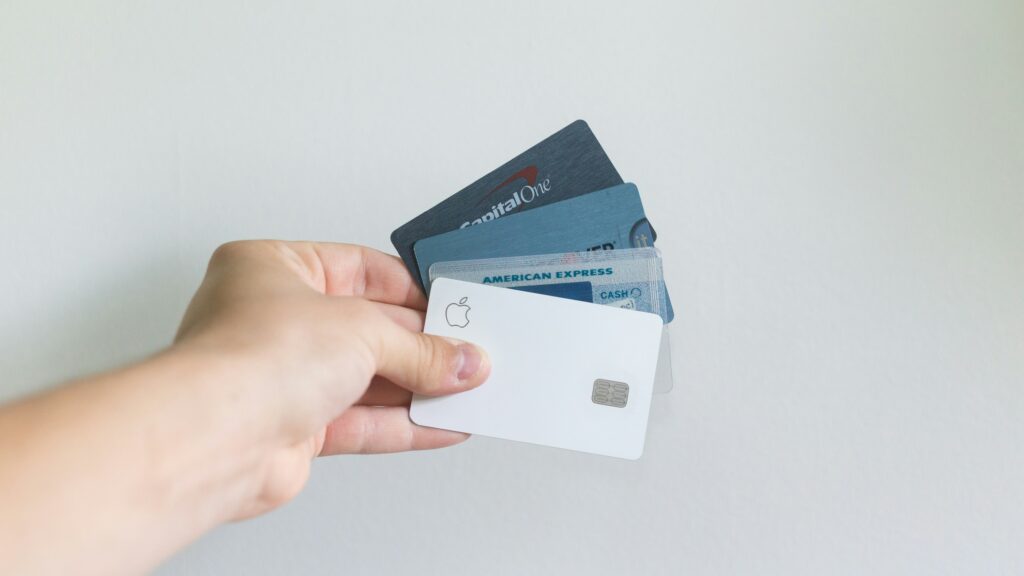
When evaluating credit card options, look closely at benefits such as cashback on everyday purchases, travel insurance, airport lounge access, or introductory 0% interest periods. At the same time, always read the small print. Pay particular attention to annual fees, interest rates, late payment penalties, and any extra charges for cash withdrawals or foreign transactions.
Belgian financial regulations are designed to protect consumers, but this does not remove the need for personal responsibility. Use your credit card wisely, avoid carrying long-term balances where possible, and make sure you can comfortably meet monthly repayments. The market is competitive, so you can usually find a card that fits your spending habits and financial goals rather than adapting your lifestyle to the card.
Important Points When Choosing a Credit Card
- Fees and charges – Consider all potential costs, not only the annual fee. This includes late payment fees, balance transfer charges, foreign transaction fees, and cash advance costs.
- Rewards and perks – Choose a card whose rewards match your lifestyle. For instance, frequent travelers may benefit from travel miles, while others may prefer straightforward cashback on groceries and fuel.
- Interest rate – If you expect to carry a balance, a lower interest rate is more important than premium perks.
- Security features – Ensure your card includes robust fraud protection, contactless payment security, and easy ways to block the card if it is lost or stolen.
Advantages of Credit Cards in Belgium
- Cashback and rewards – Many cards offer cashback, loyalty points, or partner discounts that can save you money over time.
- Convenience – Cards can be added to digital wallets on your phone or smartwatch, allowing quick, contactless payments without carrying cash.
- Wide acceptance – Most shops, restaurants, and online services accept major credit cards, making them a reliable everyday payment option.
Disadvantages of Credit Cards in Belgium
- Risk of overspending – Easy access to credit can tempt you to spend more than you can realistically repay.
- Costs – Interest, annual fees, and other charges can become expensive if you do not manage the card carefully.
- Impact on credit score – Late or missed payments may harm your credit history and make it harder or more expensive to borrow in future.
Payday Loans in Belgium
Payday loans in Belgium, as elsewhere, are designed to cover short-term cash shortages. If an unexpected expense arises before your salary is paid – for example, a medical bill or urgent car repair – a payday loan can seem like an attractive solution, especially if you would rather not ask friends or family for help.
Even in a well-organized and relatively wealthy country, financial gaps can occur. There is no need to feel ashamed if you need occasional short-term support; many people, including Belgians themselves, turn to small loans at some point in their lives. In Belgium, payday loans usually take the form of short-term, small-amount credit or cash advances. They are not as widespread as in some other European countries, but they do exist.
Payday lenders must operate under strict rules set by Belgian financial authorities. These regulations aim to protect borrowers from unfair practices, excessive interest rates, and hidden fees. Providers must be transparent about the total cost of borrowing so that you can make an informed decision. If you want to understand this type of borrowing more thoroughly, you can read more about Payday loan in Belgium.
In emergencies, a payday loan can be helpful. For instance, if you receive an unexpected electricity bill and have no savings available, a fast online loan may feel easier than seeking help from people around you. Applications are usually processed quickly, often fully online, provided you meet the basic eligibility criteria.
However, the convenience comes with a cost. Interest rates and fees on payday loans are typically much higher than on standard bank loans. If you are not careful, this can lead to a cycle of borrowing to repay previous debts. That is why Belgian authorities limit how much interest and fees lenders can charge.
Before applying for a payday loan, consider alternatives such as personal loans from a bank, renegotiating payment terms with your utility provider, or adjusting your budget. Use payday loans only as a last resort and only if you are confident you can repay them on time.
Insurance in Belgium
Insurance is a central element of financial security in Belgium, both for individuals and businesses. As an expat, you will quickly notice that some forms of insurance are mandatory, while others are strongly recommended for peace of mind.
The main insurance categories include:
- Health insurance
- Car (auto) insurance
- Home and contents insurance
- Life insurance
Health insurance is compulsory for residents, ensuring access to the healthcare system. Once registered, you will typically join a health insurance fund and receive partial reimbursements for medical costs.
Alongside health insurance, it is wise to think about how you protect your car, home, and family. The Belgian insurance market is competitive, with many providers and policy options. Comparing coverage and prices will help you find the right balance between cost and protection. For an overview of common policies and how they work, you can consult additional details on Insurance in Belgium.
Auto Insurance
If you own a car in Belgium, you must have at least third-party liability insurance. This basic coverage pays for damage or injury you may cause to others in an accident. Driving without this insurance is illegal.
Beyond the mandatory minimum, you can choose from extra protections such as:
- Legal protection – Helps cover legal costs in case of disputes after an accident.
- Collision coverage – Covers damage to your own vehicle in an accident, regardless of who is at fault (subject to conditions).
- Comprehensive coverage – Protects against non-collision events such as theft, vandalism, fire, or natural disasters.
Although additional coverage increases your premium, it can save you from large unexpected expenses if something goes wrong.
Home Insurance
Home insurance protects both owners and tenants against damage to the property and loss of belongings. Policies can include coverage for:
- Damage caused by fire, storms, water leaks, or natural events
- Theft and vandalism
- Liability if someone is injured in your home
- Personal possessions such as furniture, electronics, and clothing
Even if you rent rather than own, home insurance is often recommended and sometimes required by landlords. It ensures that, in the event of a serious incident, you are not left to replace everything out of pocket.
Life Insurance
Life insurance provides financial security for your loved ones if you pass away. Depending on the policy, the payout can help cover funeral expenses, pay off a mortgage, or support your dependents over the long term.
For families, life insurance can be an important way to protect children or a partner who depends on your income. As an expat, it is worth checking how life insurance in Belgium fits with any existing coverage you may have in your home country.
Mobile Subscriptions in Belgium
Belgium has a strong telecommunications sector with several major operators and a wide range of mobile plans. As a newcomer, you can choose between prepaid SIM cards and postpaid (contract) subscriptions, depending on your usage pattern and how long you plan to stay.
Most providers offer combinations of mobile data, minutes, and text messages. Competition has encouraged attractive offers such as unlimited data options, special rates for international calls, and family or multi-SIM bundles. Network coverage across the country is generally very good, including in many smaller towns.
Prepaid SIM cards are particularly flexible for expats. You can top up when needed, avoid long-term commitments, and often do not need a Belgian bank account to get started. In many cases, the SIM card itself is free or very low-cost, making it an easy first step after arrival.
When comparing mobile subscriptions, keep these points in mind:
- Coverage – Check which provider has the best signal in your area, especially if you live outside major cities.
- Data allowance – Estimate how much data you use per month for navigation, messaging apps, video calls, and streaming.
- International use – If you travel frequently or call abroad, look for plans that include EU roaming or discounted international minutes.
- Contract length – Some plans require a 12- or 24-month commitment, while others are more flexible.
To better understand how to set up and manage your phone plan, you can read more about a Mobile phone subscription in Belgium.
Electricity and Heating in Belgium
Belgium places increasing emphasis on sustainability and energy efficiency. The country invests in renewable energy sources such as wind and solar, and consumers have the right to choose their own electricity and gas suppliers.
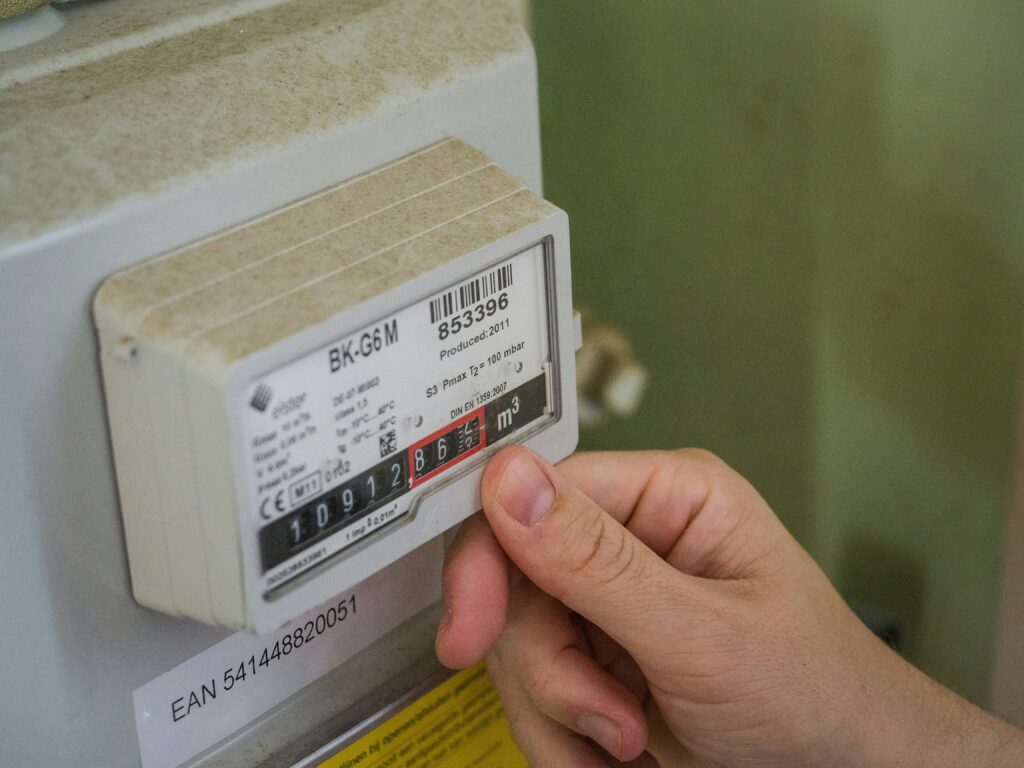
The energy market is liberalized, meaning different companies compete to supply electricity and gas. As an expat, you can compare tariffs, contract types, and green energy options before choosing a provider. Some contracts offer fixed prices for a certain period, while others follow market prices more closely.
Belgium promotes energy-efficient technologies, including smart meters, insulation improvements, and low-consumption appliances. Various public initiatives encourage households to reduce their environmental impact and lower energy bills.
For heating, natural gas remains a common choice, especially in cities and towns connected to the gas network. At the same time, there is growing interest in more sustainable solutions such as heat pumps, pellet stoves, and district heating systems. In some cases, homeowners can receive grants or tax incentives for investing in energy-efficient or renewable heating systems.
Your energy bill will usually contain both fixed and variable elements. The total cost depends on your consumption, the type of contract you signed, and any extra services you selected. Do not be surprised if your bill differs from that of your neighbors – even in the same building, usage habits can vary considerably. For more details on providers, contracts, and practical steps, you can explore guidance on Electricity and Heating in Belgium.
Internet Subscriptions in Belgium
Reliable, high-speed internet is widely available throughout Belgium. Providers offer different technologies, including fiber optic, cable, and DSL, so you can choose the connection type and speed that best match your needs.
The competitive market keeps prices relatively reasonable and encourages providers to offer innovative packages. Depending on your lifestyle, you can select plans designed for light browsing and email, heavy video streaming, online gaming, or remote work.
Many companies also offer bundled services that combine internet with digital TV and fixed-line phone services. These bundles can be convenient and sometimes cheaper than purchasing each service separately.
Key factors to consider before signing an internet contract include:
- Internet speeds – Check both download and upload speeds. For remote work or large file transfers, upload speed is particularly important.
- Data limits – Some plans are truly unlimited, while others may reduce your speed after a certain usage threshold.
- Contract terms – Pay attention to the minimum contract duration and early termination fees. Shorter contracts can be useful if you are unsure how long you will stay.
- Installation and equipment – Ask whether installation is free, and whether you must rent or buy the modem/router.
- Customer service – Reviews and recommendations from other customers can give you a sense of reliability and support quality.
To get a clearer idea of how to choose and activate a connection, you can read more about Making an Internet Subscription in Belgium.
Housing and Rent in Belgium
Finding the right place to live is one of the most important steps in settling into Belgium. The housing market varies from city to city: Brussels and Antwerp tend to be more expensive, while smaller towns and rural areas are often more affordable.
As an expat, you will likely begin with renting. Rental properties range from city-center studios and shared apartments to family houses in suburban neighborhoods. Typical rental contracts last one, three, or nine years, each with its own rules on notice periods and rent increases.
Before signing a lease, pay attention to what is included in the rent. In some cases, charges for water, heating, or building maintenance are added as monthly service costs. You will also need to provide a rental deposit, usually equivalent to several months’ rent, which is held in a blocked account until the end of the tenancy.
Understanding local practices around inspections, inventory reports, and tenant rights will help you avoid misunderstandings later. For more structured guidance, you can consult information on Housing and Rental in Belgium.
Dating and Social Life in Belgium
Building a social circle is an essential part of feeling at home in a new country, and Belgium offers many opportunities to meet people. The culture can sometimes appear reserved at first, but once you break the ice, Belgians are often warm, loyal friends.
You can meet new people through work, language courses, sports clubs, cultural events, or online platforms. Larger cities have active international communities and expat groups that organize meetups, dinners, and weekend trips. Dating apps are popular, especially among younger people and in urban areas.
Keep in mind that Belgium is linguistically and culturally diverse. Attitudes and social habits may differ between regions (for example, Flanders, Wallonia, and Brussels). Being open, respectful, and curious about these differences will make your social life richer and more rewarding. If you are specifically interested in romantic relationships and cultural norms, you can explore more insights on Dating in Belgium.
Frequently Asked Questions
Is Belgium a good country for expatriates?
Yes. Belgium offers strong public services, good healthcare, high-quality infrastructure, and an international environment, especially in cities like Brussels and Antwerp. The main challenges for newcomers are the cost of living in some areas and navigating multiple languages and administrative systems.
Do I need a Belgian bank account to get a mobile or internet subscription?
For prepaid mobile SIM cards, a Belgian bank account is usually not necessary. For postpaid mobile contracts and home internet subscriptions, providers often require a local bank account and sometimes proof of address and identity.
Are credit cards widely accepted in Belgium?
Credit cards such as Visa and MasterCard are widely accepted in shops, restaurants, and online. However, some smaller businesses may prefer debit cards or cash, so it is wise to carry an alternative payment method, especially outside major cities.
Is health insurance mandatory in Belgium?
Yes. Residents must be affiliated with a health insurance fund, which gives access to the Belgian healthcare system and partial reimbursement of medical costs. As an expat, you will typically register after obtaining your residence documents.
How expensive are utilities like electricity and heating?
Utility costs vary depending on your energy provider, contract type, and personal consumption. Belgium’s prices are comparable to many Western European countries. Choosing an energy-efficient home, monitoring your usage, and comparing suppliers can help keep bills under control.
Is it difficult to find rental housing as a foreigner?
It can be competitive in large cities, but many landlords are used to renting to expats. Having your documents ready (proof of income, ID, sometimes a work contract) and understanding standard lease conditions will make the process easier.